Finland in brief
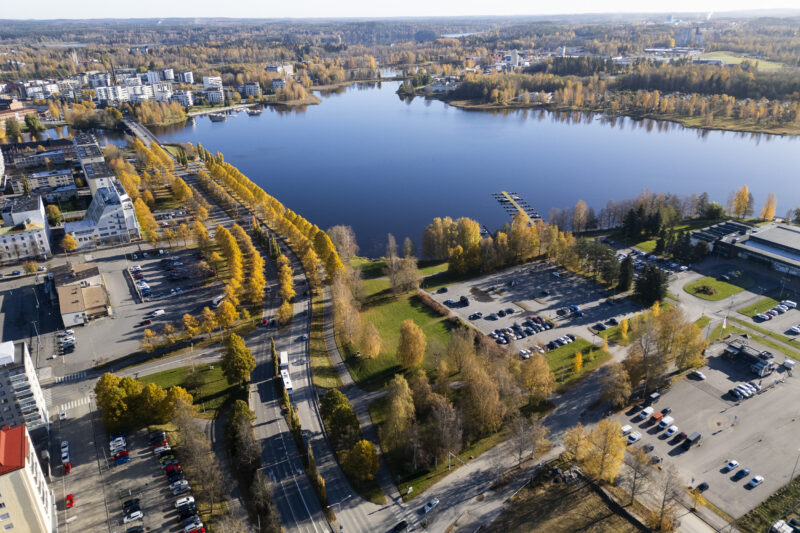
Finland is a Northern European country famous for its untouched nature, its innovative approach to technology and one of the best education systems in the world. It is a safe and modern country with compact cities, where you can enjoy a calm but stimulating academic environment.
Key facts:
- Population: about 5.6 million
- Capital: Helsinki
- Most popular student cities: Helsinki, Lahti, Lappeenranta, Hämeenlinna, Seinäjoki, Kouvola, Mikkeli
- Currency: Euro (EUR)
- Form of government: Parliamentary republic (President Alexander Stubb)
- EU member: Since 1995
- Climate: Continental/subarctic – cold winters (-5 to -15 °C), warm summers (15–25 °C)
- Safety: One of the safest countries in the world, with a very low crime rate
Culture and people
Finnish culture is unique – it is built on calmness, direct communication and deep respect for nature and for other people. Finns value personal space, but once you get to know them better, they are loyal and sincere friends. There are no big social differences in Finland, and equality is one of the core values.
Key cultural traits:
- “Sisu”: A Finnish character trait meaning inner strength, persistence and determination – even when the situation seems hopeless. It is the DNA of the Finnish nation.
- Sauna culture: Finland has more than 3 million saunas (almost one for every household). The sauna is not just about hygiene – it is a social ritual where friendships are born.
- Love of nature: Finns live in close connection with nature – free time spent in the forests and by the lakes is part of everyday life.
- Equality and trust: Finland is one of the most equal societies in the world – here people are valued for who they are, not for their status or wealth.
- Directness: Finns speak directly and to the point – this is not coldness, just their honest way of communicating.
Language and communication
Finland has two official languages: Finnish and Swedish. Finnish is unique – it does not belong to the Indo-European language family and is closest to Estonian and Hungarian. But that shouldn't scare you – English is widely spoken in Finland, especially among young people and in the academic world.
Finns start learning English in primary school, so almost all young people and professionals speak excellent English. At universities, in shops, cafés and on public transportation, English is more than enough for everyday life.
All study programs Kastu offers in Finland are taught in English, so you don't need to know Finnish. But if you want to integrate better, universities offer free Finnish courses – a great way to get to know the culture up close and increase your job opportunities.

Transportation and getting around
Although Finland is a geographically large country, its public transportation system is very well organized and convenient. The cities are compact and easy to get around on foot or by bike, and intercity transportation is reliable and punctual.
How to get around Finland:
- Trains (VR): The Finnish railways connect all the main cities. The trains are clean, modern and punctual – a great way to travel around the country.
- Buses: Intercity buses (Matkahuolto, OnniBus) are a popular and cheap alternative to trains, especially in smaller cities.
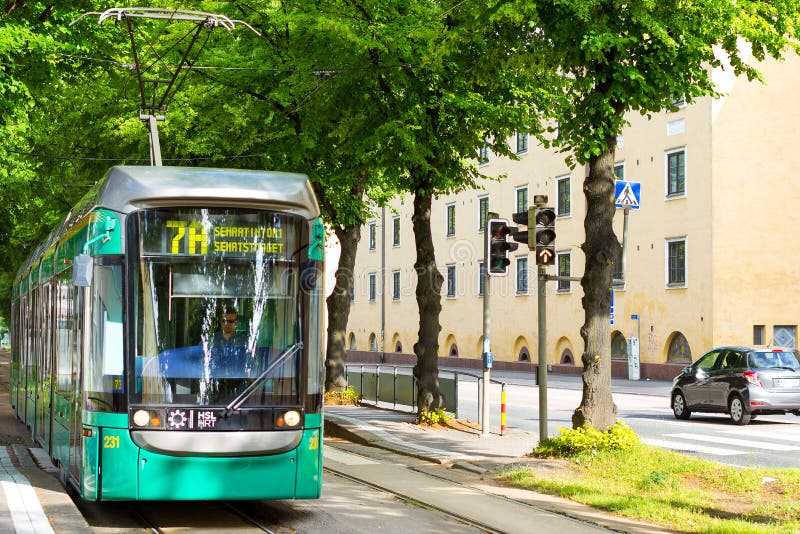
- City transportation: The big cities have buses and trams. A modern tram line opened recently in Tampere.
- Bikes: In summer bikes are very popular – many cities have bike rental systems and excellent infrastructure.
- Student discounts: With the “Frank” student card you get significant discounts on public transportation, food and leisure all over Finland.
Student life in Finland
In Finland, you don't just grow academically – you also get an active social life. Finnish universities have strong student communities that help you settle in quickly and make friends from all over the world.
What do students do in Finland?
- Student organizations: Every university has dozens of student organizations – from sports clubs to academic societies and international student networks (ESN, ISOT and others).
- “Sitsit” and “Appro”: Finland has unique and popular student events – “sitsit” (formal dinner parties with singing) and “appro” (city orientation games). A great way to meet people.
- Nature and sports: Students spend a lot of time outdoors – hiking, skiing, swimming in the lakes in summer and ice swimming in winter. Universities offer free sports activities.
- International environment: Students from more than 100 countries study at Finnish universities – a great opportunity to get to know different cultures.
- Northern lights and white nights: Finland offers unique natural phenomena – in winter you can watch the northern lights, and in summer enjoy the white nights, when the sun almost never sets.
Working while studying
Students with EU, EEA or Swiss citizenship can work in Finland without any restrictions – both during their studies and during semester breaks. Finland has a very favorable government financial support system for students: besides earning money from your job, you can also get extra financial support from the state.
What you should know:
- Working hours: Students usually work 10–15 hours a week during the semester and more during semester breaks.
- Average pay: about €10–15 per hour (depends on the field and the collective agreement)
- Kela support: If you work at least 10 hours a week for at least 4 months, you can get the Kela study grant (about €279 a month), a housing allowance (up to 80% of the rent) and a government-guaranteed loan (up to €850 a month).
- Popular student jobs: IT, logistics, the service sector, cleaning services, manufacturing, administration
The amounts given are approximate. The exact amounts and conditions are on the Finances page.

Food and cuisine
Finnish cuisine reflects the country's nature and seasons – fresh, natural and seasonal ingredients dominate. Traditional Finnish food is simple, but healthy and filling. And the best news for students: a full lunch in a university cafeteria costs only about €2–3!
What to try:
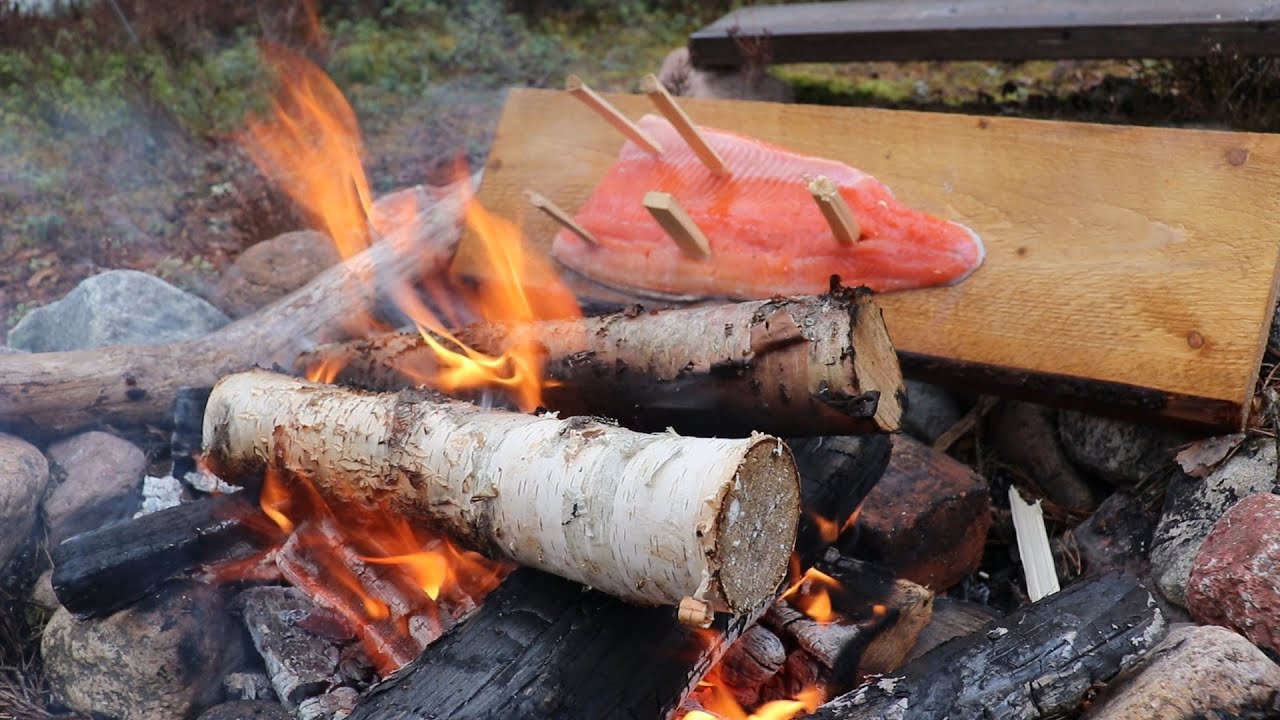
- Salmon and other fish: Finland is famous for fresh fish – salmon, herring and “muikku” (small lake fish) are traditional foods.
- Karelian pies (Karjalanpiirakka): Traditional rice pies with butter – the most popular Finnish snack.
- Berries and mushrooms: Thanks to “everyone's right” (Jokamiehenoikeus), you are allowed to pick berries and mushrooms in the forests – and it's completely free!
- Student cafeterias (Kela subsidy): In university cafeterias students get a full meal for about €2.95 – one of the cheapest student meal systems in Europe.
- Coffee culture: Finns are the biggest coffee drinkers in the world – coffee breaks (kahvitauko) are a sacred ritual both at work and at university.
Frequently asked questions
Are studies in Finland really free?
Yes! For students with EU, EEA or Swiss citizenship, bachelor's and master's studies at Finnish public universities are completely free. The only mandatory payment is the student healthcare fee (YTHS), which is about €71 a year. The exact conditions are on the Finances page. Applying through Kastu is completely free too, and if you have questions, ask KastuGPT – it's free and always available.
Do I need to speak Finnish?
No. All study programs Kastu offers are taught in English, and Finns speak excellent English – especially young people and the academic community. For everyday life, English is more than enough. But if you want to integrate better, universities offer free Finnish courses.
What is Kela and how do I get financial support?
Kela is the Finnish Social Insurance Institution, which offers financial support to students. Students with EU, EEA or Swiss citizenship can get a study grant (about €279 a month), a housing allowance (up to 80% of the rent) and a government-guaranteed loan (up to €850 a month). To get this support, the main condition is that you work in Finland at least 10 hours a week for at least 4 months. The exact conditions are on the Finances page.
Can I work while studying?
Yes! Students with EU, EEA or Swiss citizenship can work in Finland without any restrictions. Students usually work 10–15 hours a week, and the average pay under collective agreements is about €10–15 per hour. By working and receiving Kela support, you can cover your living costs in full.
How much does living in Finland cost?
As a student in Finland, you'll spend on average about €800–1,200 a month (housing, food, transportation, leisure). Rent in a student dorm is about €200–450 a month. With Kela support and a job, you can cover these costs in full. The exact amounts are on the Finances page.
Is Finland cold and dark?
Winters in Finland are cold (from -5 to -15 °C in the south), but the university cities are well prepared for winter – buildings are very well heated, and the infrastructure is built for a cold climate. The darkest period lasts only a few months (November–January), and the summers make up for it with white nights and warmth (15–25 °C). Many students say they learn to love the Finnish winter!
How do I find housing in Finland?
Most students in Finland live in student dorms or rented rooms. Housing is usually managed by special student housing organizations, which offer favorable prices and conditions. Universities and Kastu's housing search guide give you all the information you need to find housing and help you compare your options. Prices depend on the city and the type of housing – on average about €200–450 a month. It's best to start looking for housing as early as possible, because the most popular options fill up quickly.
What is the “Frank” student card?
“Frank” is a free digital student card that gives you discounts all over Finland: on public transportation, food, cultural events, sports services and much more. All registered students get it, and it's one of the first things to take care of after you arrive.
Is it easy to make friends and fit in?
Yes! Although Finns may seem reserved at first, the student communities at universities are very active and friendly. There are orientation weeks, tutor programs and dozens of events for international students. Student organizations, sports clubs and international networks (ESN) help you quickly make friends from all over the world.
What should I do when I arrive in Finland?
When you arrive in Finland, there are a few important steps to take: 1) Get a Finnish personal identity code (Henkilötunnus) – register at the DVV agency; 2) Register your place of residence with the immigration service (Migri); 3) Pay the YTHS healthcare fee (about €71 a year); 4) Get the “Frank” student card. The university will help you with all the administrative steps and give you the information you need.