The tips are grouped into five topics: everyday life and practicalities; friendships; language and culture;studies; finances and housing. They work just as well whether you're choosing to study in Denmark, the Netherlands, Sweden, Finland or Belgium – read them in order or jump straight to what matters most to you.
Everyday life and practicalities: what to pack and what to leave behind
1. Invest in comfortable sneakers
“In my first weeks in Denmark I was walking at least 30,000 steps a day – you just want to get to know the new country! After distances like that, I'd worn through the soles of my Converse within a month, so I really recommend investing in good walking shoes.”
Ignas – Denmark
2. Don't bring your whole home with you
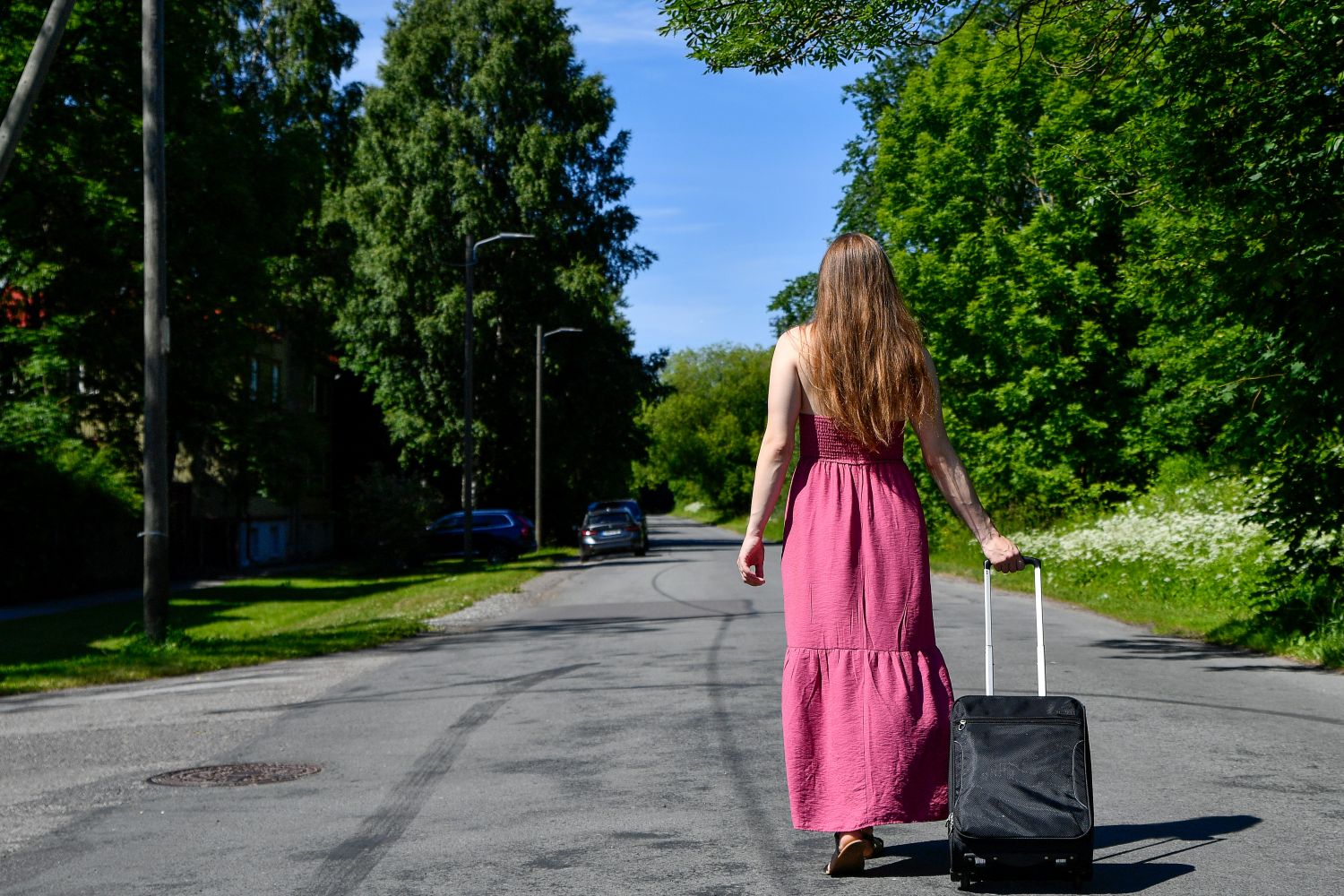
“Even if it feels like you're leaving for several years, you don't need to take your whole home with you. One bigger suitcase is enough, and anything you're missing, your parents can just mail to you. You're not going to study on a desert island – you'll find everything there too!”
Tadas – Belgium
3. Download an offline map
“Download an offline map of your new city before you leave. Your mobile data will most likely work when you arrive, but on the first day, when you're looking for your room, the university or the right bus, an offline map is a really good backup.”
Mantas – Denmark
4. Pack for the climate, not for your wardrobe
“Before you pack, check what the weather is actually like in the country you're going to. I'd packed loads of stuff I barely used, and the things I did need I ended up buying there anyway. Don't bring your whole home – take what you'll really need in the first weeks.”
Kaspar – the Netherlands
Social life and friendships: how to find your people
5. Say YES to everything in the first month
“Coming from a small town to Amsterdam was terrifying, but I knew I'd come here to push past my limits. In the first month I said YES to every invitation, and I can't count how many great people I met and how many adventures I had. Trust me, you won't regret it!”
Agne – the Netherlands
6. A relationship doesn't have to stop your plans
“Before I left, I also wondered how the distance would affect my relationship and whether it was worth going at all. But I realized I didn't want to give up studying abroad just because I was afraid of what might happen. You can try to make a relationship work, but the chance to go and study abroad might never come again.”
Kamile – Finland
7. Don't spend all your time with people from your own country
“If there's another student from your country in your program, or even a few – don't close yourselves off in your own little circle. You've got the chance to get to know cultures from ALL over the world! When will you get a chance like that again?”
David – the Netherlands
8. If you feel lonely – don't keep it to yourself
“After the first month I felt really lonely and didn't know where to start. Through the Kastu WhatsApp group I got in touch with another student studying nearby. Now we meet almost every weekend.
If it's hard at the start – say so. Sometimes you're just one message away from someone who feels exactly the same.”
Mingaile – Sweden
9. Don't skip the introduction week
“Definitely go to the welcome events held before the academic year starts (like the introduction week). They give you a chance to get used to the university, meet your future classmates, and when the year starts you'll find your first lectures more easily and already see some familiar faces.”
Domantas – the Netherlands
10. In winter, don't stay alone in your room
“In winter the days in Denmark are short and the weather doesn't always invite you outside, so it's very easy to shut yourself in your room. What helped me was deliberately looking for people and things to do – university events, student organizations, sports, shared dinners or just the group chats where students plan what to do.
Even if you sometimes feel like staying in, go. Usually it's exactly those spontaneous evenings that become the best memories later.”
Dominic – Denmark

Language and culture: how to fit in faster
11. Talk to locals, even if you're bad at the language
“Try to learn the language of the country you've come to – at least a few sentences. Talk to locals and to the people in your program, even if you make mistakes, because otherwise you'll never get started. Many universities have language cafés or language buddy programs where students teach each other their languages – that's the easiest way to begin.”
Migle – the Netherlands
12. Join at least one student activity
“You'll meet your classmates in lectures anyway, but your closest friends often come from outside the classroom. Sports, a student organization, volunteering or some other club – pick at least one activity and go a few times, even if the first time feels awkward.”
Rokas – Denmark
13. Be ready for culture shock
“You're not going to study on another planet, but another country's habits will definitely surprise you. When I got to the Netherlands, I really stood out after going to a club with the locals – I was the only girl in a dress and high heels! So before you go to another country, I'd suggest finding out about the local customs.”
Skaiste – the Netherlands
Studies: how not to get lost in your first year
14. Go to lectures – seriously
“Even though attendance at some lectures was optional, taking exams (especially in a language that's not your own) was much easier when I'd already heard the same material from the lecturer. Seriously – go to lectures.”
Dominic – Denmark
15. Try to pass the first time
“With student life kicking off, new people and endless parties, don't forget the main reason you came – your studies. Study and try to pass your exams the first time – that way you'll get a longer break and can relax while the party animals are taking their retakes.”
Alex – the Netherlands
16. Don't be afraid to ask
“Don't be afraid to ask – everything can be explained, and the lecturers are always ready to help. There were about 20 students from 12 different countries in my program, so the lecturers understood perfectly well that studying in a foreign language can leave you with questions. The main thing is not to keep your questions to yourself.”
Paulina – Belgium
Finances and housing: prepare in advance
17. Leave with a financial cushion
“In the first weeks you spend more than you expect – the deposit, the first month's rent, food, transport and things for your room. It was much easier for me knowing I had savings for a few months. Better to come home with some of your reserve left than to count every euro from the first week.”
Milda – Belgium
18. Start looking for housing as early as possible
“As soon as you know your city and university, start following the university's housing information, student platforms and trusted portals. The earlier you start, the more choice you'll have and the less stress you'll have right before you leave.”
Fausta – the Netherlands
So how much does student life really cost?
These figures are approximate and depend on the country and city. You'll find detailed budgets for each country in “Finances” and practical housing search steps in “Accommodation”.
€800–1,400
is what living costs on average per month – depending on the country and city
€250–750
is what student housing with utilities usually costs per month
3–5 months
of expenses is what you should have saved before you leave, to cover you until you settle in and find a job
12–15 hours
a week is how much students usually work alongside their studies
Frequently asked questions
How much money should you have before you leave?
It depends on the country and city. Living costs are roughly from €800 a month (in Denmark or Finland) to €1,400 (in the Netherlands or Belgium). For settling in – the housing deposit and the first months until you find a job – we recommend having savings for at least 3–5 months of expenses.
You'll find exact amounts for each country in “Finances”.
What should you do if you feel lonely in the first weeks?
Many students feel this way in the first weeks – in a new country it takes time to settle in and find people you're close to.
Go to the introduction events, join student organizations or sports clubs, and don't be afraid to start a conversation with classmates or your neighbors in student housing. Often one conversation is enough to start feeling braver.
It also helps that someone has already been where you are: in the closed Kastu WhatsApp groups and through the Student Buddy program you can reach students who are already studying in the country you're going to. Read more about the challenges of the first weeks in “Overcome your fears”.
Do you have to speak the local language?
For your studies – no. The programs offered through Kastu are taught in English, so you don't need the local language. But learning at least a few basic words will definitely help in everyday life – and, as the students themselves say, locals then welcome you much more warmly.
When should you start looking for housing?
As early as possible. Kastu recommends starting your housing search in early spring – in popular student cities places go very fast, and the search can take a few months.
You'll find practical tips, a list of platforms and the warning signs of scams in “Accommodation”.
Will you be able to work while studying?
Yes. Students with EU, EEA or Swiss citizenship can work in their study country without a separate work permit. You just need to register your address and get a personal (resident) number. Where exactly you register depends on the country: in some it's the municipality, in others the population register or the tax office.
Students usually work about 12–15 hours a week – few enough hours that work doesn't get in the way of their studies. Hourly pay differs by country, so check the exact figures in “Work while studying” and “Finances”.
What if English isn't your strong point?
You don't need to speak perfect English. You'll study with people from many countries who aren't native speakers either, and using English every day you'll get confident faster than you expect.
The exact required level and the way you prove it depend on the program. You'll find the requirements in “Required English language tests”.
When should you start preparing your application?
The earlier, the more choice you have. Some programs have early deadlines, and in some the places run out before the official deadline.
Exact dates depend on the country and the university – you'll find them in “Application deadlines”.
Will Kastu help if problems come up once you're already studying?
Yes. If you have questions about documents or everyday practical matters, KastuGPT is there for you 24/7, and Kastu ambassadors and the closed Kastu WhatsApp groups can also help.
Academic matters – lectures, exams, grades – are handled by the university itself. Most have international student offices that also help with everyday settling-in questions locally.
And where could your story begin?
You don't need all the answers right now. Browse the programs in Denmark, the Netherlands, Sweden, Finland and Belgium and see where you could be as soon as next academic year. Applying through Kastu is completely free.
Not sure yet what you'd like to study?
Talk to KastuGPT – it asks you a few questions and helps you find fields of study that match your interests. You're not committing to anything.